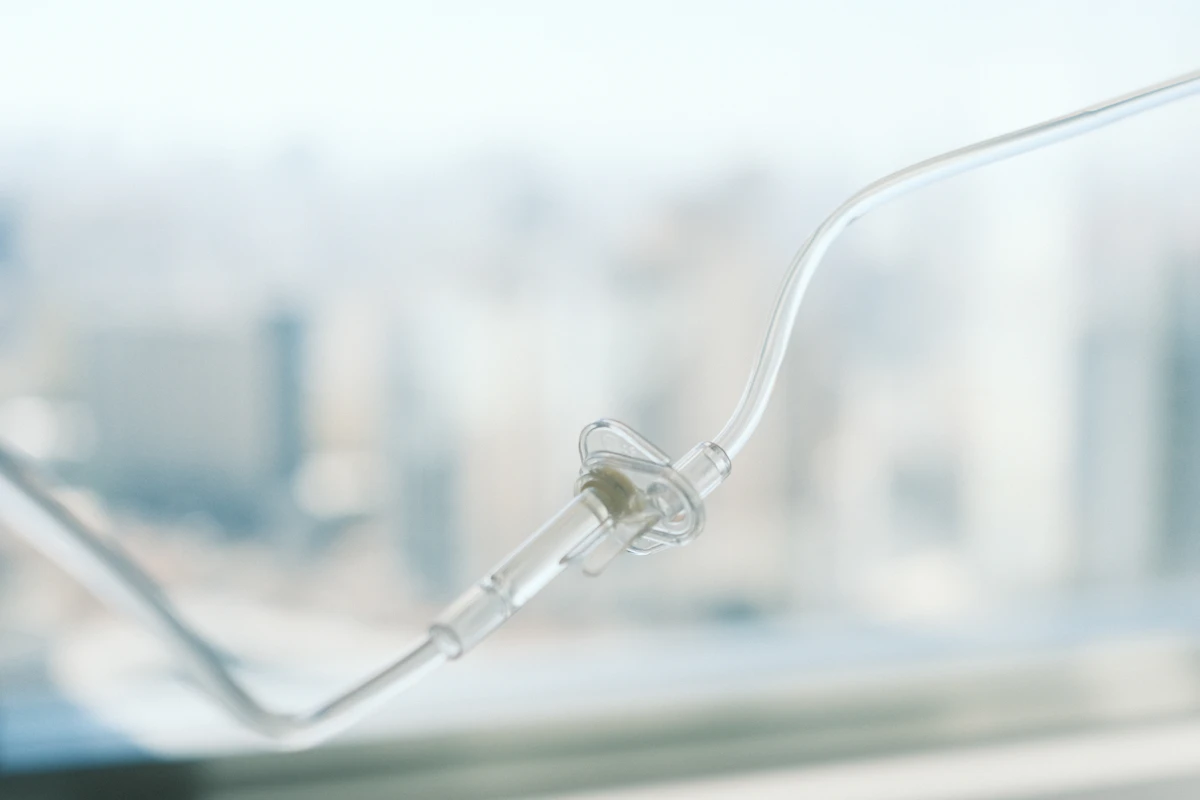
The Science Behind IV Therapy: Why Intravenous Delivery Works
IV therapy has moved from hospital wards to wellness clinics around the world. But what does the science actually say about delivering nutrients intravenously? Here is what you need to know.
Bioavailability: The Core Advantage
The central advantage of IV therapy is bioavailability -- the percentage of a substance that enters your bloodstream and is available for your body to use.
- Oral supplements: 10-25% bioavailability (varies by nutrient, gut health, and individual factors)
- IV delivery: Near 100% bioavailability -- nutrients go directly into the bloodstream
This difference matters. When you swallow a vitamin C tablet, your intestines can only absorb a fraction before the rest passes through your digestive tract. IV delivery bypasses this limitation entirely.
How IV Therapy Works at the Cellular Level
When nutrients are delivered intravenously, they enter the bloodstream immediately and are distributed to cells throughout the body. This allows for:
- 1. Higher tissue concentrations -- IV delivery can achieve nutrient levels in the blood that are impossible with oral dosing. For example, IV vitamin C can reach plasma concentrations 30-70 times higher than maximum oral doses.
- 2. Faster cellular uptake -- Cells begin utilizing nutrients within minutes, not hours or days.
- 3. Bypassing digestive barriers -- People with gut issues, malabsorption, or nausea can still receive full nutrient doses.
The Myers' Cocktail: Where It Started
The foundation of modern IV nutrient therapy is the Myers' Cocktail, developed by Dr. John Myers in the 1960s. This formulation of magnesium, calcium, B vitamins, and vitamin C was used to address a range of conditions. Today, modern IV clinics build on this foundation with customized formulations.
What the Research Suggests
While large-scale clinical trials are still limited, existing research and clinical observations suggest IV nutrient therapy may support:
- Hydration recovery -- IV saline is the gold standard for rehydration in medical settings
- Nutrient repletion -- Effective for addressing documented deficiencies (B12, vitamin D, iron, magnesium)
- Immune support -- High-dose IV vitamin C has been studied for immune function support
- Athletic recovery -- Electrolyte and amino acid replenishment after intense exercise
Why IV Therapy Has Gone Mainstream
Once confined to hospitals, IV nutrient delivery has become a routine part of preventive and wellness care. Clinics now offer "vitamin drips" for energy, recovery, and immune support -- prepared to pharmaceutical-grade standards by licensed compounding pharmacies and administered by licensed clinicians.
Important Considerations
IV therapy is a medical procedure and should always be administered by licensed healthcare professionals. Key safety considerations include:
- Pre-treatment health screening is essential
- Ingredients should be pharmaceutical-grade from licensed pharmacies
- Sterile technique and single-use equipment are non-negotiable
- Certain conditions (kidney disease, heart failure) may be contraindicated
The Bottom Line
IV therapy offers a scientifically sound method for delivering nutrients with superior bioavailability compared to oral supplements. While it is not a replacement for a healthy diet and lifestyle, it can be a valuable tool for addressing specific deficiencies, supporting recovery, and optimizing wellness -- especially when administered by qualified medical professionals using pharmaceutical-grade ingredients.
*Interested in learning more? Book a free consultation with our medical team.*